


What to Expect in Trauma-Informed Yoga: Practice, Breath, & Presence
- Joy Zazzera

- Jan 22
- 5 min read
Updated: Aug 23
Trauma-Informed Yoga Series – Part 3
Trauma-informed yoga isn’t about doing more—it’s about doing differently. Rather than aiming for deep stretches or advanced poses, trauma-informed yoga prioritizes your nervous system, your sense of agency, and your right to feel safe.
This post explores what you’ll ideally experience in a class like this: how it’s structured, how we breathe and move, and how thoughtful language supports healing from the inside out.
A Safe, Supportive Practice Environment
For students living with trauma, chronic stress, or nervous system sensitivity, a typical yoga studio can feel overstimulating. Trauma-informed yoga creates a more grounded environment:
No lyrical music or emotional soundtracks
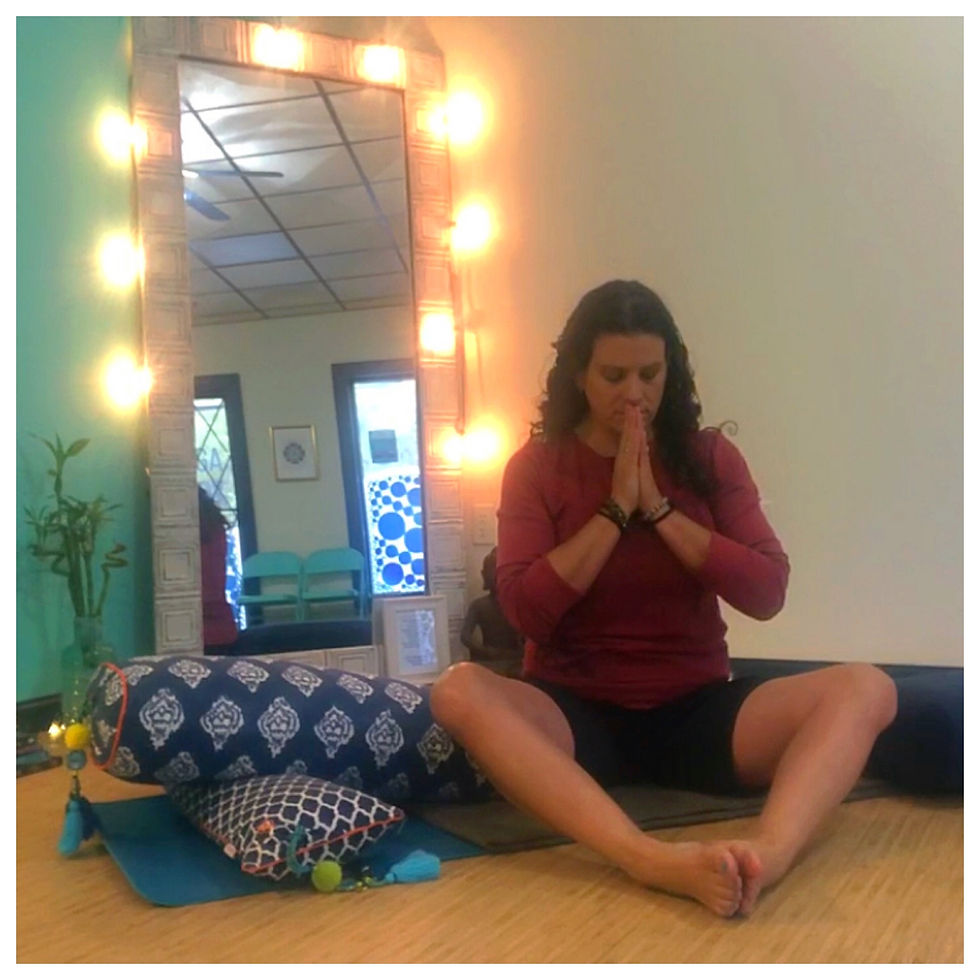
No mirrors, photos, or filming
No hands-on adjustments (unless explicitly requested)
Invitational language instead of commands
Clear boundaries and choices to opt in, opt out, or rest without explanation
The goal is to offer a fully safe space—where your nervous system doesn’t have to brace for surprises, and healing becomes possible through consistency, autonomy, and compassion.
What You’ll Experience in a Trauma-Informed Class
In these classes, the focus is on creating a felt sense of safety, not on achieving deep poses or perfect alignment. Expect:
Props and variations offered for comfort and support
No expectation to close your eyes or be still unless it feels right
Breathwork with longer exhales, slow pacing, and sometimes audible or resisted breath (like Humming Bee or Ujjayi) to help regulate the vagus nerve
Slower-paced somatic movement that encourages mindful breath and presence with sensation
Grounding practices like standing and balancing to help foster access to stability and control
Self-massage techniques (self-myofascial release) using hands, props, or therapy balls to promote embodiment, regulation and nervous system relaxation
Nerve Gliding to free up tension around nerves
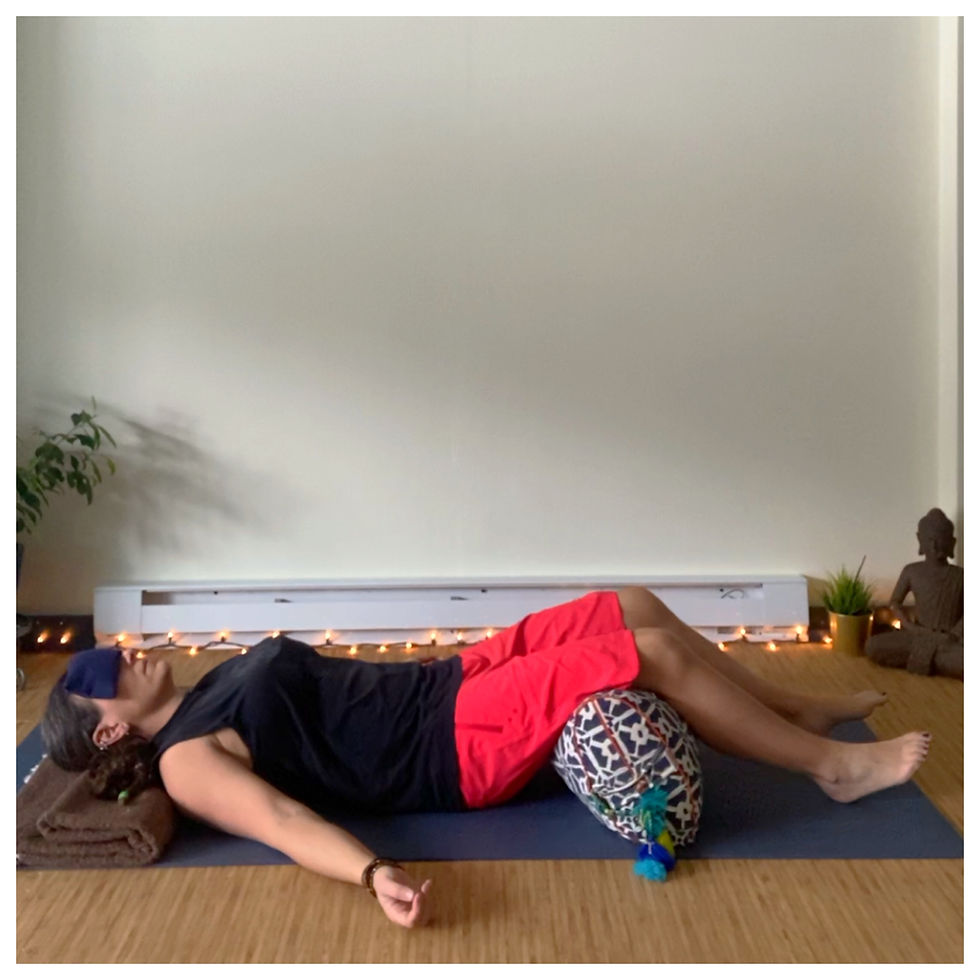
Restorative experiences to illicit a sense of containment and comfort
Guided rest or meditation, with Savasana as an option—not a requirement
You’re not told what to do. You’re invited to explore what feels helpful. It’s not about pushing—it’s about discovering.
"You don’t need to perform, prove, or perfect anything here. Just notice what’s real for you today."
Sample Sequence Structure
Here’s a general flow you might experience:
1. Grounding + Arrival
Standing, hands to side-ribs or belly
Gentle orientation to sensation through guided body scan
Breath cue: "Slowly, across time, lengthen your exhales Let your breath move toward your belly, no rush."
2. Gentle Movement
Self-massage to promote embodiment, relaxation, and local blood & nutrient flow to tissue
Segmental Cat/Cow, Bird-Dog or Dead-Bug, Humming Bee Breath or Breath of Joy
Focus on what the movement feels like, not how it looks
3. Optional Standing or Seated Flow
Warrior variations with breath cues, pulsing between two positions and space to pause and feel sensation
Chair with Pulsing Arms, Walking Down Dog, or Lunges with choices for exit
Somatic embodiment like a shaking out practice, seated spiraling, or hugging bolster breathing
4. Rest + Regulation
Pinwheel Legs with gentle fold Into bolster, Apanasana (reclined knees to chest), Reclined Twist
Optional Savasana (reclined relaxation) or other grounding shapes
Loving-Kindness meditation, Guided Squeeze-and-Release, or breath-based rest
Language That Honors Your Experience
In trauma-informed yoga, language is medicine. You might hear:
“You’re welcome to explore...”
“Notice what happens as you...”
“If it feels okay, try…”
This kind of cueing activates the prefrontal cortex—your brain’s watchtower—supporting reflection and choice rather than reaction. It also builds interoceptive awareness: the ability to notice what’s happening inside without judgment or overwhelm.
Breath as a Bridge to Safety
The breath is central to nervous system regulation—but in trauma-informed yoga, it’s never forced. We:
Encourage nasal inhalation and long, slow exhales
Include humming or gentle resistance for grounding
Avoid breath retentions, rapid breathing, or strong verbal control cues
“Your breath is the most reliable thing you have to calm yourself down. I teach ways to remember.”
Savasana: An Optional Closing
For some, lying flat in stillness can feel vulnerable. That’s why Savasana is always optional. You might choose:
Child’s Pose (if accessible)
Seated rest with hand-to-heart or belly
A shortened or modified reclined rest posture
"Choose a posture that feels kind to your body today."
Why It Feels Different—And Why That Matters
Many trauma survivors carry tension, hyper-vigilance, or shutdown in the body. Traditional yoga may feel too fast, too quiet, or too exposing. Trauma-informed yoga offers another way:
A class that prioritizes your comfort and safety, not performance
A teacher who invites, never demands
Tools like breath, movement, self-touch and supportive props to reconnect with safety from the inside out
This isn’t about fixing you. It’s about supporting the part of you that knows how to heal—when given space to do so.
Final Thoughts: We Practice for Real Life
Trauma-informed yoga doesn’t stop at the mat. It helps you carry regulation into everyday life. One of the simplest and most powerful tools we practice:
Three mindful breaths when you feel off track.
Over time, these small practices build nervous system capacity—and give you more options when life feels overwhelming. As a Yoga Medicine Therapeutic Specialist, Master Meditation Teacher, and Licensed Massage Therapist—with lived experience navigating my own post-traumatic stress—I bring a trauma-aware lens not just to how I teach, but to how I listen, adapt, and hold space for your unique experience. My goal is to help you reconnect with your breath, your body, and your ability to feel at home within yourself. This perspective shapes all of my yoga offerings, which I’ve been teaching with trauma-awareness and care for more than eight years. These are also the very same practices I turn to in my own life—tools that continue to nourish and regulate my own nervous system, when i sense dysregulation setting in.
Summary of the Trauma-Informed Yoga Blog Series
Whether you're just beginning or returning to practice after trauma or chronic stress, this series was written to help you feel informed, supported, and empowered to move at your own pace.
🔹 Part One: Understanding Trauma and the Body
Explores how trauma impacts the nervous system, the triune brain, and hormonal responses—laying the groundwork for why trauma-informed yoga matters.
🔹 Part Two: How Yoga and Mindfulness Help Heal
Covers the neuroscience of trauma, the healing role of mindfulness, and how yoga rebalances arousal levels through intentional movement and breath.
🔹 Part Three: What to Expect in a Trauma-Informed Class
Offers a practical guide to the structure, language, and experience of trauma-informed yoga, including real-world breath practices, movement sequencing, and teaching strategies.
If you're curious about starting a trauma-informed yoga practice with me, you're not alone—and you're not too late. Whether you join me for yoga therapeutics, meditation, or blended practices, every offering is designed to provide a soothing and accessible way into the benefits of trauma-sensitive teachings. These tools aren’t about perfection. They're about presence.
Let’s begin where you are.


Comments