


Yoga Sharpens Brain Health: Memory, Focus & Neuroplasticity
- Joy Zazzera

- Oct 16, 2022
- 6 min read
Updated: Aug 23
Why Yoga Helps Preserve Brain Health with Age
As we age, our brain actually atrophies in function. But did you know that practicing yoga for brain health as a regular part of your lifestyle can decrease the rate of atrophy as you progress through the seasons of your life? It’s true! Recent scientific studies by neuroanatomists indicate that certain areas of the brain increase in volume after a consistent yoga practice.

Grey Matter - the area of the brain that contains the most neuronal cell bodies - includes the regions of the brain involved in muscle control and sensory perception such as seeing and hearing, memory, emotions, speech, decision-making and self-control.
The studies show that grey matter within the insula and amygdala network were correlated to enhanced intrinsic body awareness and pain tolerance in participants whom practiced yoga regularly. In fact, the more yoga participation, the greater increase in grey matter in the brain’s left hemisphere associated with the parasympathetic nervous system - the part of our autonomic nervous system associated with relaxation, joy, happiness, and calm. The research suggests the frequency with which someone practices yoga, the more they can fine-tune their brain toward a parasympathetic, relaxed and balanced state and spend less time living in the anxious sympathetic state, or fight or flight mode.

Further, functional connectivity findings revealed that increased activity in our Default Mode Network (DMN) - the area of our brain that activates when we're not performing tasks but instead, day-dreaming, mind-wandering or thinking about others, is correlated with higher levels of unhappiness. So, the more we are mind-wandering by thinking about the future or ruminating about the past, planning, or wrapped up in worry, the more unhappiness we will experience. Increased activity in the DMN is potentially linked to anxiety, depression and Alzheimer’s Disease. Yoga decreases activity in the DMN and increases connectivity in the brain’s pre-frontal cortex, increasing capacity to retrieve information more efficiently, self-monitor and exhibit self-control.
Having a regular yoga practice also contributes to increases in GABA - an amino acid produced naturally in the brain that acts like a neurotransmitter aiding in cellular communication. GABA, when released, elicits a relaxation-effect, improving sleep, alleviating pain and balancing mood, whereas, low levels of GABA are associated with chronic stress, anxiety & depression, muscle pain, substance abuse and difficulty concentrating. The “styles of yoga” associated to this particular research included Hatha, Kundalini, Iyengar, and Yoga Nidra.

If you’re someone hesitant about trying yoga because you’re not sure about being able to bend or balance, one particular style of yoga requires nothing of you but your desire to relax your mind and learn how to access your parasympathetic state more readily. The best part about this style of yoga is that a hour-long session can leave you feeling like you indulged in an uninterrupted three-hour nap.
Yoga Nidra - a guided, structured practice of slowing down and chilling out - is like meditation but a bit different. In meditation, you sit in a wakened conscious state, practicing focusing the mind while observing the thoughts coming and going without story-telling. Meditation places you in the ‘theta state’ - the state we must fist go through to get to the ‘delta state’ - the place of the deepest sleep cycle. The delta state is a deeply healing state. Meditation can help us calm the sympathetic nervous system (fight or flight) and activate the parasympathetic system (rest and digest). But in deeper states of relaxation, we can activate the pineal gland to release the hormone melatonin - a powerful antixiodant that helps manage immune function, blood pressure, cortisol levels and induce restful sleep. In yoga Nidra, the aim is to reach the ‘delta state’ functioning on the sense of hearing - allowing your sub-conscious mind to follow the sound of the instructor’s voice and words while laying in a still state, warm, cozy and uninterrupted. The practice increases dopamine levels - the hormone associated with pleasurable sensations, along with learning, memory, and motor system function.
A separate but recent study showed that while meditation and yoga nidra were both effective in reducing anxiety and stress, yoga nidra seemed to be more effective in reducing anxiety. The study also suggested that Yoga Nidra can be a

useful tool in reducing both cognitive and physiological symptoms of anxiety. This research is most-meaningful to me not only as a teacher of yoga but as a woman, nearing 50 with physiological challenges and limitations, including some that I wasn’t considering I might come across on my path in life.
Today, Yoga Nidra is my personal lifesaver - I teach it as a regular inclusion to my Restorative Yoga offerings and I practice it as a regular to-do item on my weekly list of to-dos. Like meetings with the boss, you don’t dare miss - living with traumatic stress-disorder, inherited familial traits for anxiety, depression and Alzheimer’s, dealing with the self-demands that come as a result of fully living my purpose in the world, my dedication to Yoga Nidra is the enhanced thread that serves as the boundary to the 'fabric of me' at this stage of my life AND … the 'me that is yet to come.' When I practice Yoga Nidra, I give myself permission to intentionally take care of my self in the present for my very present needs, while lovingly and simultaneously, taking intentional care of my whole well-being resiliency for later in life. During times when I have fallen out of my regular Yoga Nidra practice, my concentration and focus wane, my capacity for emotional regulation becomes stressed and my resilience to irritating situations becomes in flux. Just as with most self-care practices, when you fall out of practice, you will notice, so just remember to fall back in.
Whether you think yoga is for you or not, if you think well-being is for you, and are someone who would consider all options when it comes to reducing deeply held stress, anxiety and even trauma and all options regarding optimizing your brain form and function as you age, I encourage you to let go of the stories you have about yoga, meditation or getting in touch with your inner-self to allow yourself the experience of doing nothing but relaxing for a one-hour nap that will not only feel like 3 but keep repaying your brain in invisible ways far beyond the practice itself. And if a one-hour commitment seems too daunting to make a commitment to it, begin with guided meditations, as a way to begin to train the nervous system for regulation and relaxation.

Yoga can offer you a proven internal system for well-being today that prepares the whole body for it’s future needs. The right teacher can remove all of the other external obstacles preventing you from experiencing a truly intrinsic yoga practice that you can grow to enjoy.
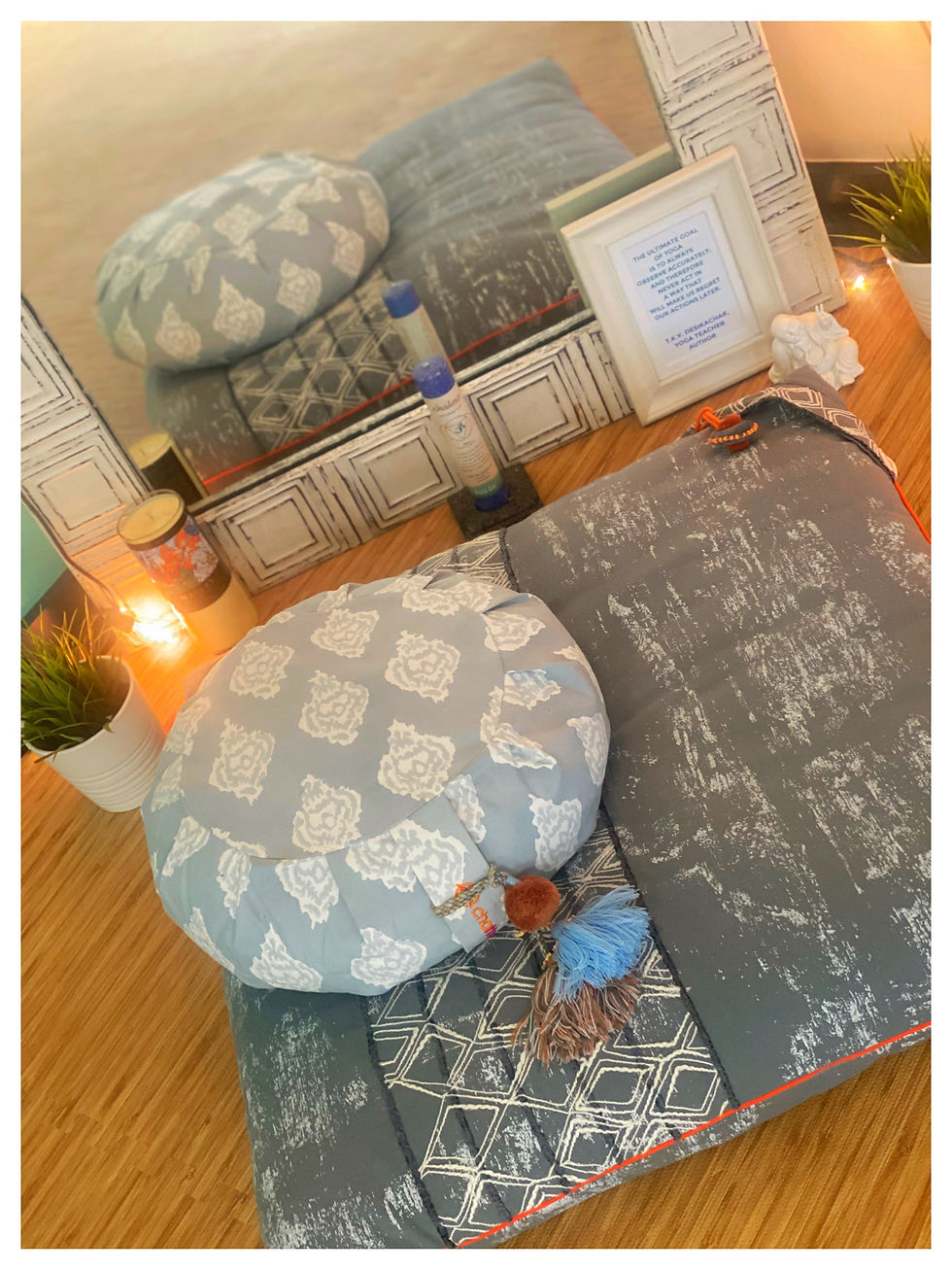
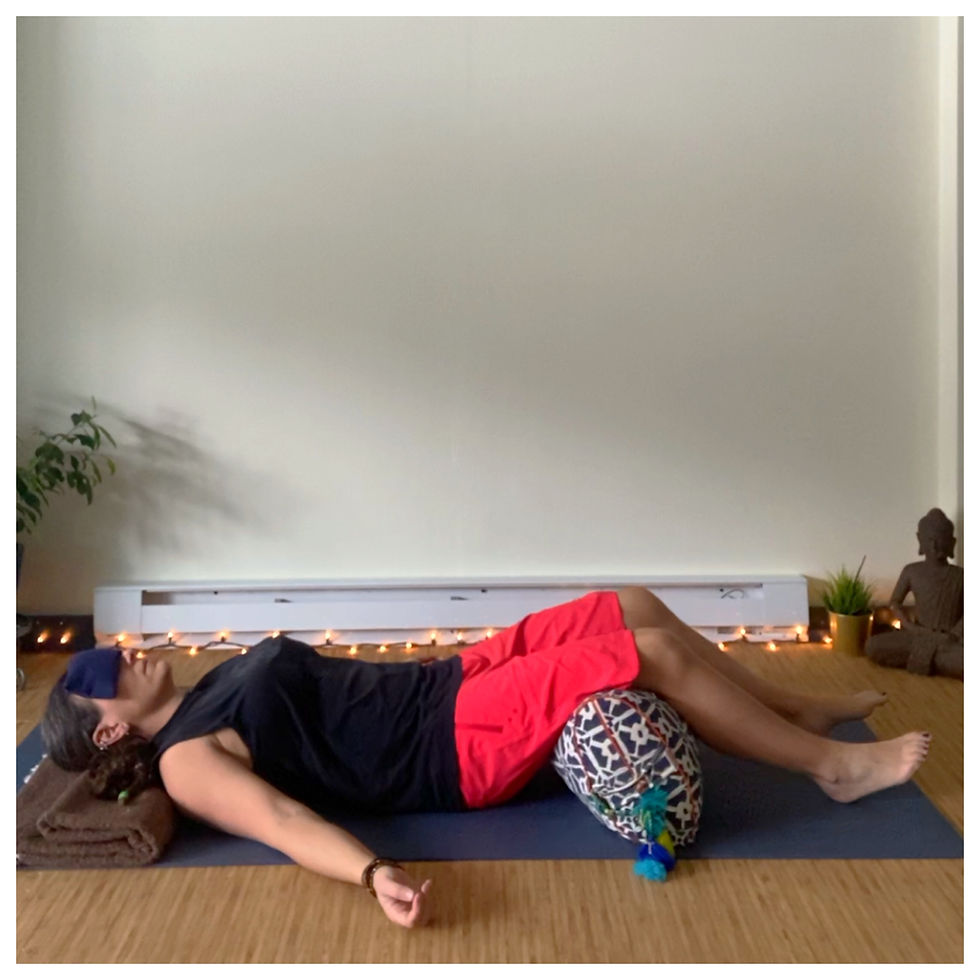
If you’re still not sure where to begin. Begin here. And do it now. No one else’s needs are more vital than YOUR NEEDS RIGHT NOW. How you take care of yourself today will be reflected in all you are doing for others now and in the future. Yoga Nidra can lead you out of burnout toward bliss and help you prepare to build your reserves for any unexpected challenges along your path. If you're prone to anxiety when the going gets tough, and need a quick fix to restore balance to your nervous system, try this 6-minute Anxiety Eraser guided meditation by world renowned master meditation teacher Davidji. Have more time and want to experience a longer Yoga Nidra practice? I've practiced along happily to The Mindful Movement's Pure Blissful Relaxation & Stress Relief Yoga Nidra, a perfect repose for a sound night's sleep. Whatever, you decide, before you begin, remember that comfort is queen. Take a few moments to find a comfortable and supportive place to land, either seated for guided meditation or lying down for Yoga Nidra.


Comments